In recent years, the pursuit of clean and sustainable energy solutions has gained significant momentum, with solar power at the forefront of this green revolution. While the benefits of harnessing energy from the sun are indisputable, the cost and logistical challenges of solar installation have often excluded small- to mid-sized towns and lower-income neighborhoods from reaping its rewards.
Enter community solar projects – a game-changer that bridges this gap and democratizes access to solar energy. In this article, we will delve into the world of community solar projects, how they differ from solar cooperatives, and the immense benefits they offer to communities looking to embrace a greener future.
Before diving into the specifics, it’s crucial to distinguish between community solar projects and solar cooperatives. Both aim to make solar power accessible to a broader range of individuals and communities, but they do so in slightly different ways.
Community Solar Projects
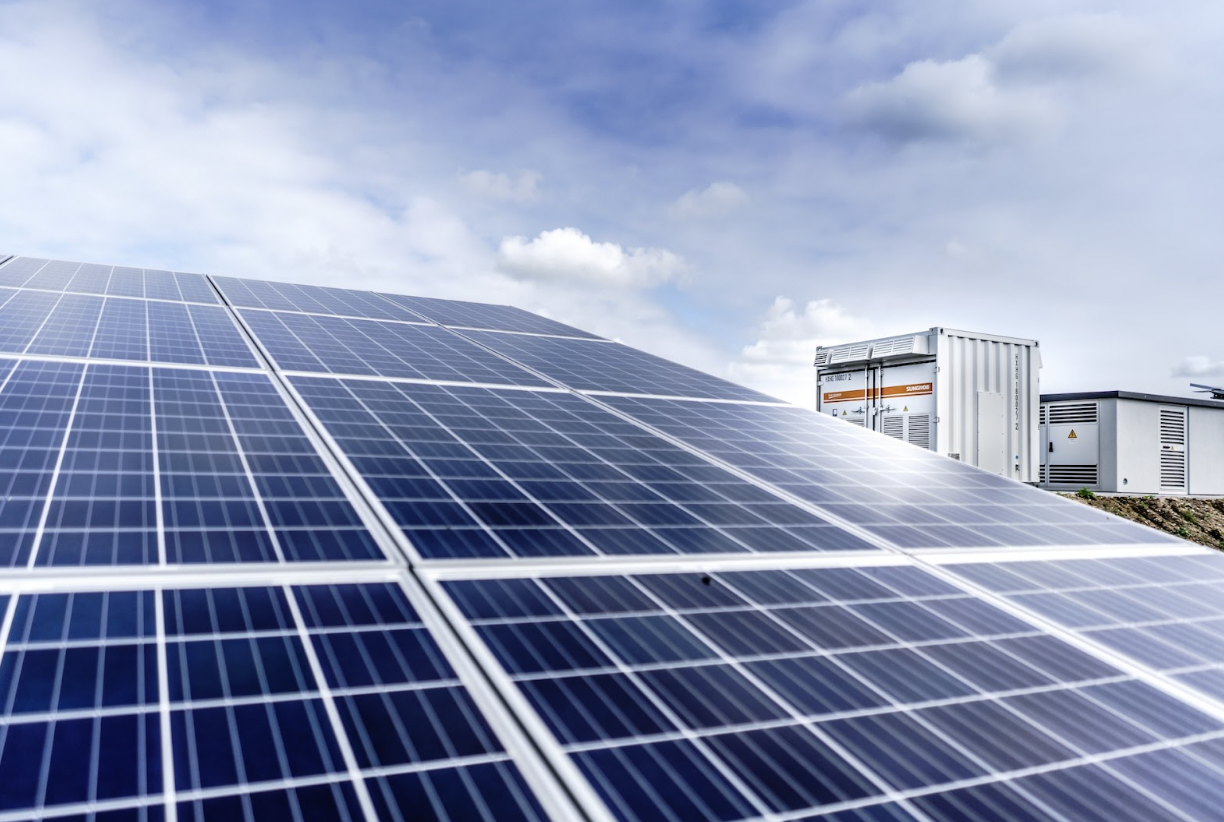
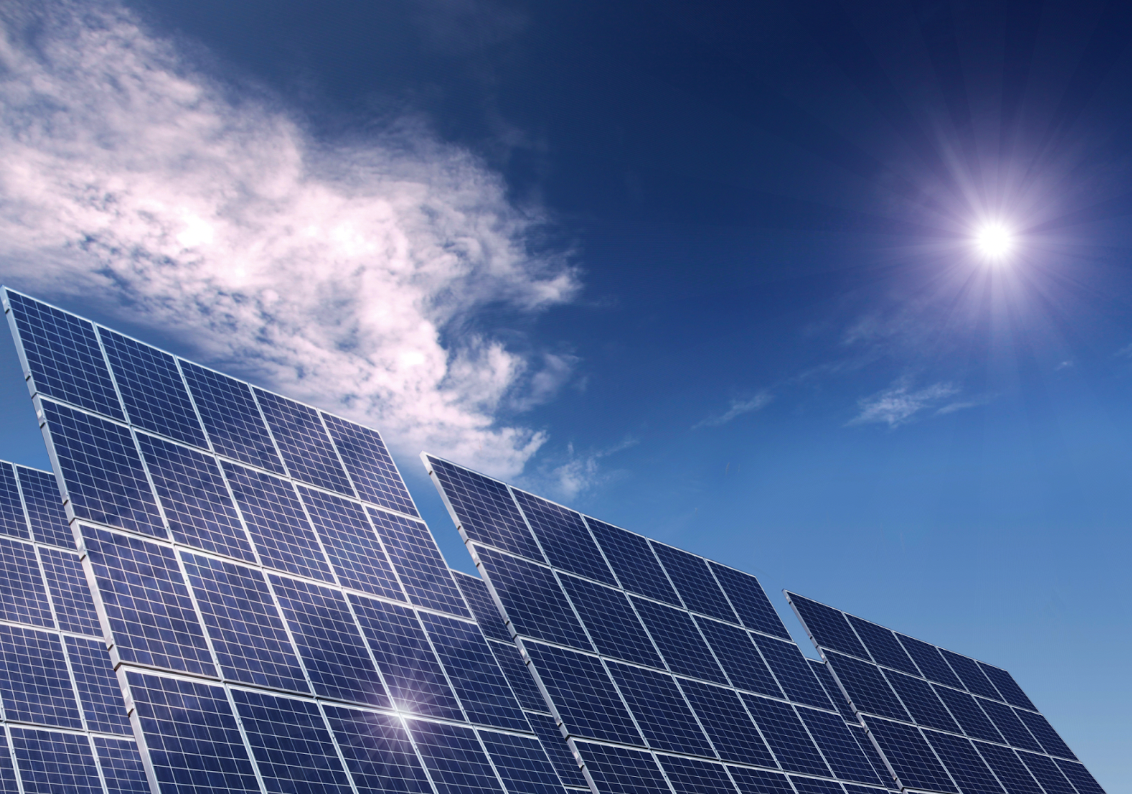
Community solar projects are centralized solar installations that generate electricity for multiple participants within a specific community or region. Participants, often referred to as subscribers, purchase or lease a share of the solar panels and receive credits on their electricity bills for the energy generated by their share. These projects are typically developed and managed by third-party entities, including solar companies, that handle all aspects of design, installation, and maintenance.
Solar Cooperatives
Solar cooperatives, on the other hand, are formed by a group of individuals or businesses who pool their resources to collectively invest in solar power systems. These co-op members share the responsibilities of financing, installation, and maintenance, often relying on volunteer efforts or hiring local contractors. While solar cooperatives promote community involvement and cooperation, they can be more labor-intensive and less scalable compared to community solar projects.
Community solar projects follow a well-defined process that ensures their successful implementation and operation:
Site Selection and Project Development
Developers identify suitable locations with ample sunlight, adequate space, and proximity to the target community. Factors like land availability, shading, and grid connectivity are carefully considered. Once a site is chosen, the developer designs the solar array, obtains the necessary permits, and secures financing. They also engage with the local utility to establish a process for distributing energy credits to subscribers.
Construction, Subscription and Operation
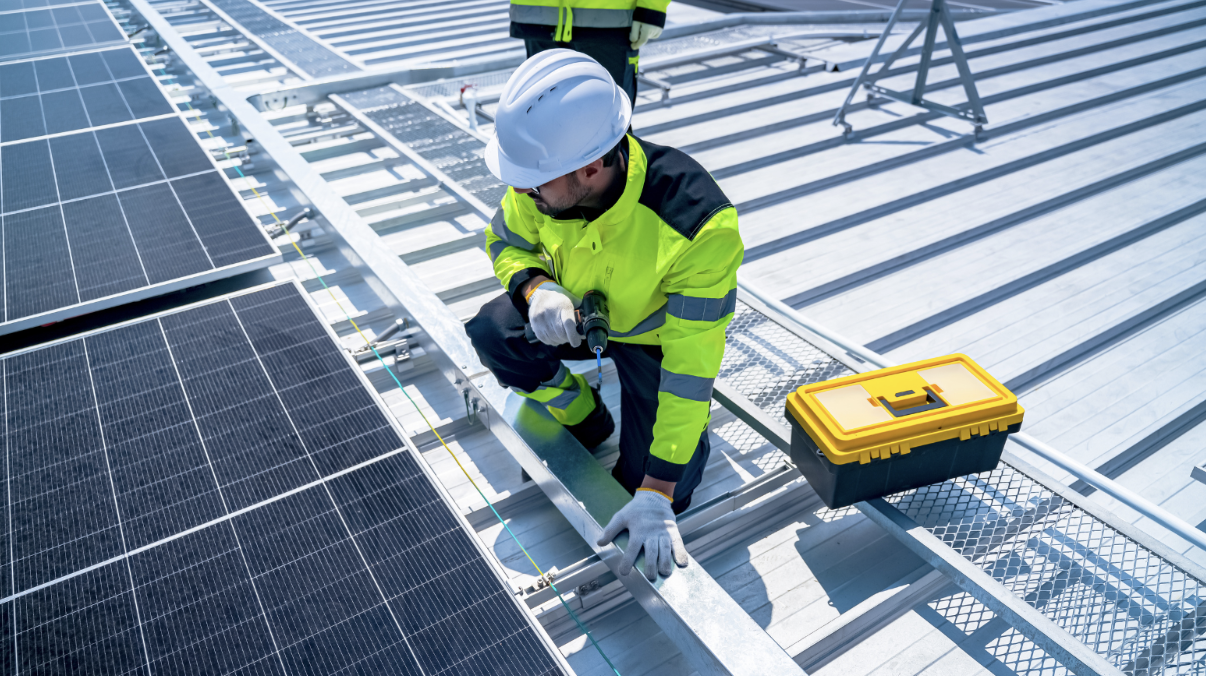
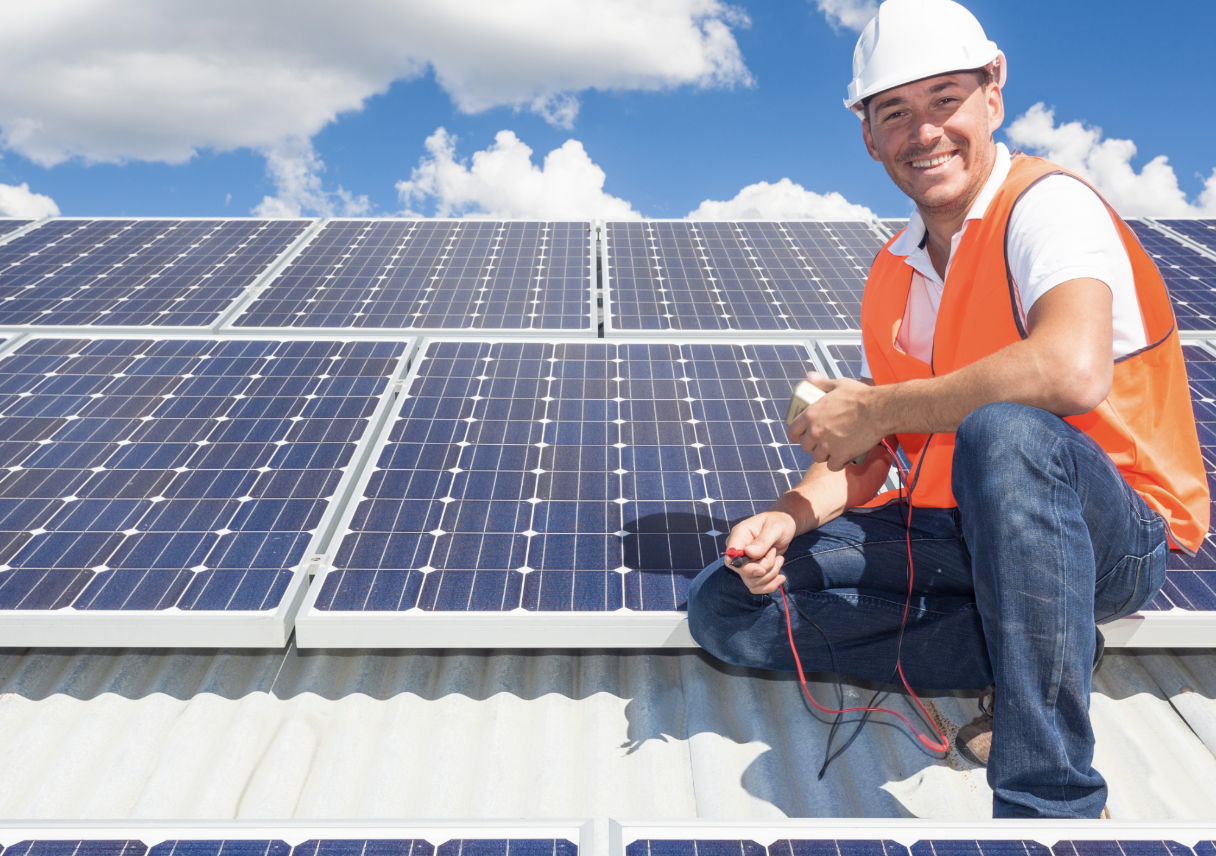
Skilled technicians and solar installers are employed to erect the solar panels and associated infrastructure. The quality of installation is crucial to the long-term success of the project. Residents and businesses in the community have the opportunity to subscribe to the project, often with no upfront costs. They then start receiving credits on their electricity bills, reducing their overall energy expenses.
Maintenance, and Financial Accessibility
Ongoing maintenance and monitoring ensure the solar panels operate efficiently. This responsibility typically falls on the project developer or a dedicated operations and maintenance team. These projects eliminate the need for individuals to invest in their solar panels, making solar power accessible to those who may not have the financial means to do so otherwise. Participants benefit from reduced electricity bills as they receive credits for the energy produced by their share of the solar array. This financial relief can be particularly vital for lower-income communities.
Environmental Impact and Economic Stimulus
By transitioning to clean, renewable energy, communities can reduce their carbon footprint and contribute to a greener future, aligning with global sustainability goals. The development of community solar projects often brings jobs and economic growth to the area, further enhancing the well-being of society.
Community solar projects are a beacon of hope for small- to mid-sized towns and lower-income neighborhoods, offering them a direct pathway to access the benefits of solar power. By joining forces with solar companies that remove and reinstall solar panels, Houston solar installers, and other solar experts, these communities can embark on a journey towards a more sustainable and economically advantageous future.
Through practical, informed, and cooperative initiatives, community solar projects are not only enhancing the professional tone of energy sustainability but also providing a tangible, positive, and equitable impact on the lives of many. As these projects continue to grow, they will undoubtedly shine a brighter light on the path toward a more sustainable energy future for all.
We are seasoned Houston solar installers, and are more than capable of helping you transition to solar. Get in touch with local solar installers today